
The Night That Finally Felt Too Quiet
Emma noticed it during one of those rare, quiet moments parents don’t plan for. The house was finally still, dishes done, lights dimmed, laundry forgotten on purpose. Her five year old son Noah was asleep, sprawled diagonally across his bed, one arm flung over a dinosaur pillow.
At first, it was just the sound. A soft, steady rasp, not loud enough to be alarming, but persistent enough to feel wrong. Noah’s mouth hung open, lips dry, chest rising faster than Emma expected for such a deep sleep. She stood there longer than she meant to, that familiar tug of parental intuition tightening in her chest.

“He’s always been a noisy sleeper,” she told herself. “And kids snore, right?”
But the thought wouldn’t let go. What if this wasn’t just a sleep quirk? What if it was something quietly shaping his days, his energy, even his growing smile?
That night was the beginning of Emma’s journey into something she had never heard of before, airway focused dentistry.
When Little Signs Start Adding Up
By morning, Noah was awake before his alarm, cranky, foggy, rubbing his eyes. He barely touched breakfast, complained of a headache, and melted down over the wrong color cup. Again.
Emma replayed the pattern in her head. The chronic mouth breathing, the dark circles that never quite faded, the constant reminders from his teacher that he struggled to focus after lunch. Each detail felt harmless on its own. Together, they formed a picture she could no longer ignore.
Airway issues in children rarely announce themselves loudly. They whisper, through restless sleep, frequent colds, teeth grinding, thumb sucking, bedwetting, and yes, mouth breathing. Many parents assume these are phases. Sometimes they are. Sometimes they are not.
.png)
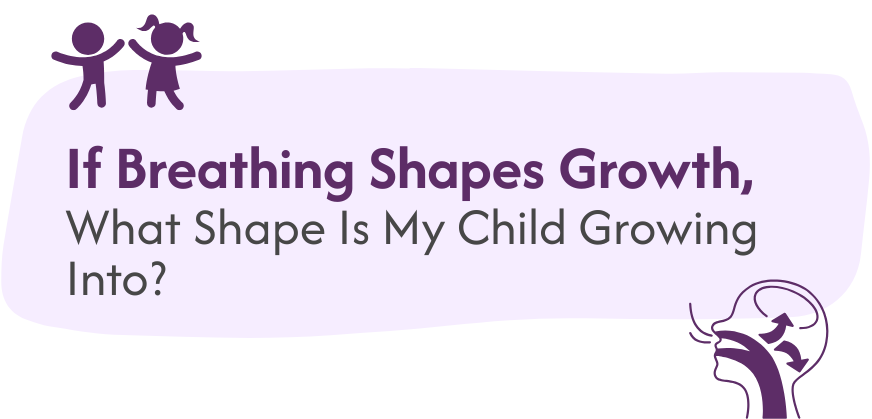
What surprised Emma most was learning that the mouth, jaw, and airway are deeply connected. The way a child breathes influences how their face grows, how their teeth erupt, and even how their brain rests and restores itself overnight.
What Airway Focused Dentistry Really Looks At
Airway focused dentistry shifts the question from “How do the teeth look?” to “How is your child breathing, sleeping, and growing?”. Teeth are still important, but they are no longer the whole story.
In a healthy airway, the tongue rests gently against the roof of the mouth, the lips stay closed, and breathing happens through the nose. This posture supports proper jaw development and keeps the airway open during sleep.
When mouth breathing becomes the default, everything changes. The tongue drops, the upper jaw can narrow, teeth crowd, and the airway may become smaller over time. Think of it like building a house with a hallway that slowly shrinks while traffic increases. Eventually, things back up.

At Tiny Tooth Co, airway focused dentistry is woven into how children are evaluated, not added as an afterthought. During exams, Dr. Sarah Arafat looks at facial growth patterns, tongue posture, tonsil size, breathing habits, and sleep quality, all alongside teeth and gums.
This whole child perspective often helps families connect dots they did not realize were related.
The Moment Emma Asked A Different Question
During Noah’s next dental visit, Emma hesitated before speaking up. “Can I ask something that might sound silly?” she said, already bracing herself.
Dr. Sarah smiled, the kind that invites honesty. “Those are usually the best questions.”
Emma described the snoring, the mouth breathing, the restless sleep. Instead of brushing it off, Dr. Sarah leaned in. She asked about allergies, feeding history, thumb habits, and how Noah slept as a baby. No rushing. No minimizing.
That was the moment Emma realized this visit was different.
Dr. Sarah explained airway focused dentistry using a metaphor Emma would never forget. “Imagine your child’s face as a house under construction,” she said. “Breathing is the scaffolding. If the scaffolding is off, the whole structure adapts around it.”
Suddenly, it made sense.
Why Early Matters More Than Perfect Teeth
One of the most powerful aspects of airway focused dentistry is timing. Children’s bones are still growing, which means gentle guidance can have lasting impact.
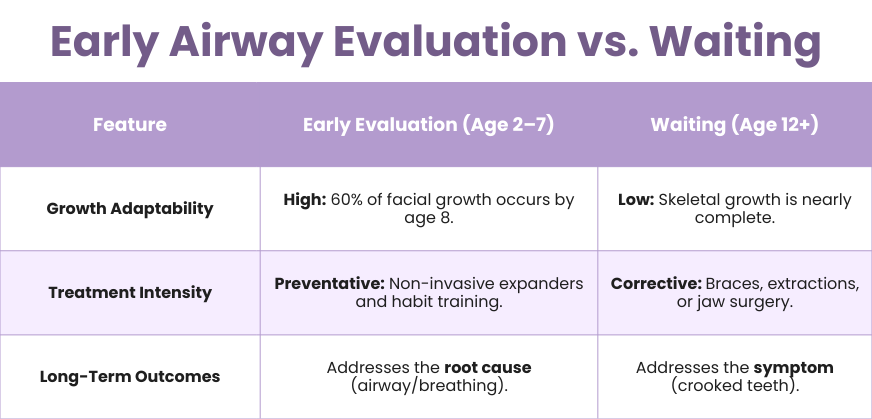
Early airway evaluations do not always mean treatment right away. Sometimes it means monitoring. Sometimes it means collaboration with pediatricians, ENTs, or myofunctional therapists. Sometimes it means addressing habits like mouth breathing or tongue posture before they become structural problems.
Waiting until the teenage years often means fewer options and more invasive solutions. Growth is an opportunity window, and airway focused dentistry helps families understand when that window is open.
For Emma, this reframed everything. She was not overreacting. She was being proactive.



.png)


.gif)
.webp)
