.png)
The Morning That Changed How Emily Thought About Teeth
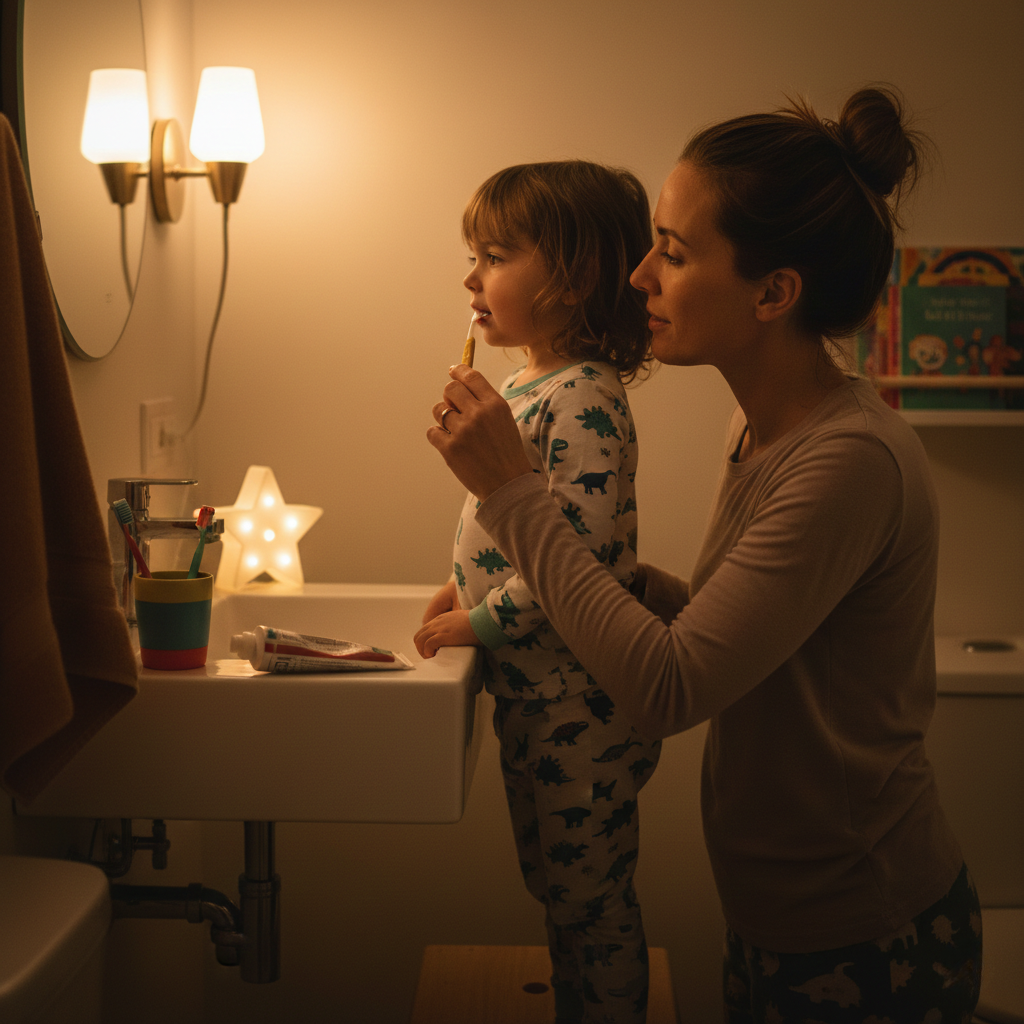
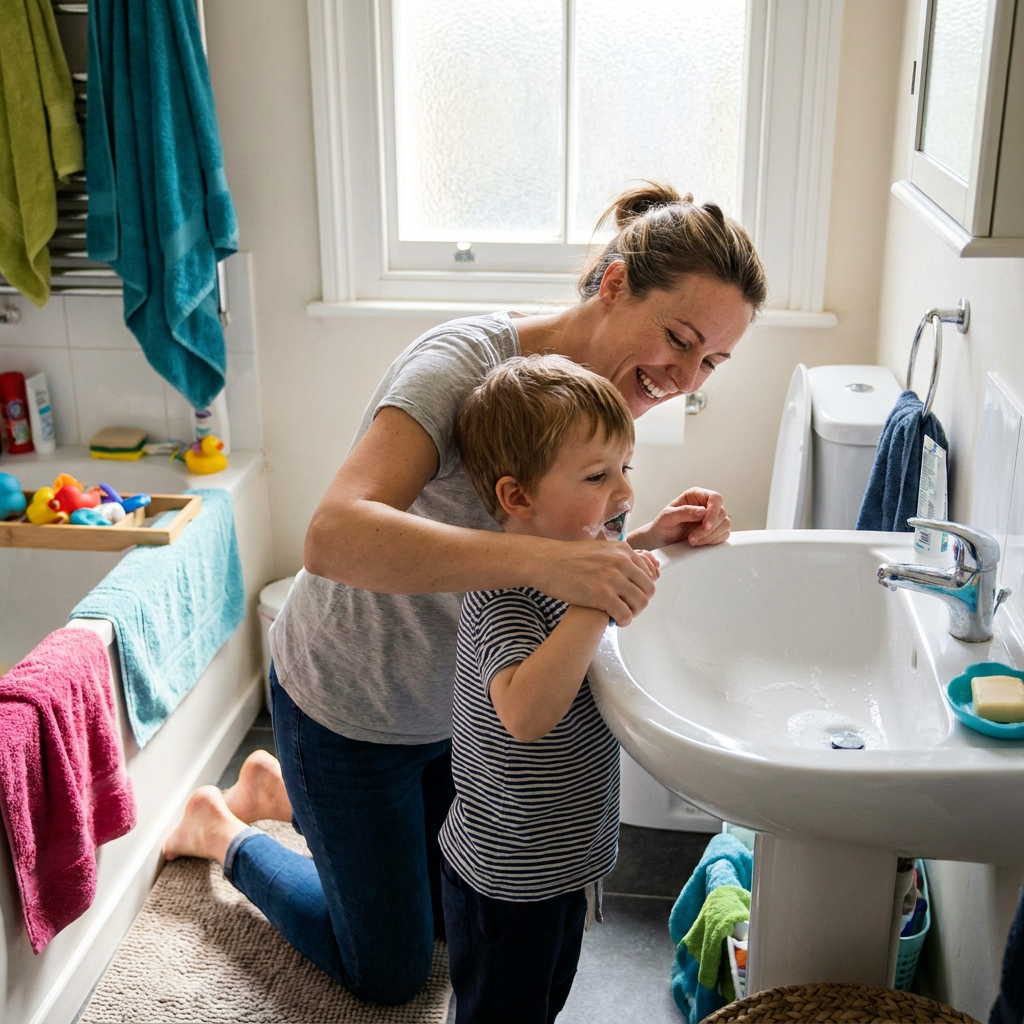
Emily was kneeling on the bathroom floor at 7:12 a.m., pajamas still half twisted, watching her four year old son Noah clamp his mouth shut like a tiny vault. The toothbrush hovered uselessly in her hand. “It’s just teeth,” she told herself, yet her chest felt tight. Noah had cried the night before, pointing to his gums and saying, “It feels funny, Mommy.” She wondered if she had missed something important, if brushing twice a day was really enough, or if this was how bigger problems quietly begin.
National Children’s Dental Health Month often starts exactly like this, not with balloons or posters, but with a small moment of parental doubt. It is the pause where you realize kids’ dental health is not just about avoiding cavities, it is about protecting comfort, confidence, and healthy development.
At Tiny Tooth Co, we see families arrive with that same look Emily wore, hopeful, worried, and wanting to do right by their child. This month exists to remind you that you are not late, you are right on time to build habits that last a lifetime.

Why Kids’ Dental Health Feels So Overwhelming
Emily’s mind raced while Noah sulked on the bath mat. Was his brushing good enough, did juice really matter, should she have scheduled a dentist visit sooner? Parents often carry silent guilt because children’s oral health feels like a test you never studied for.
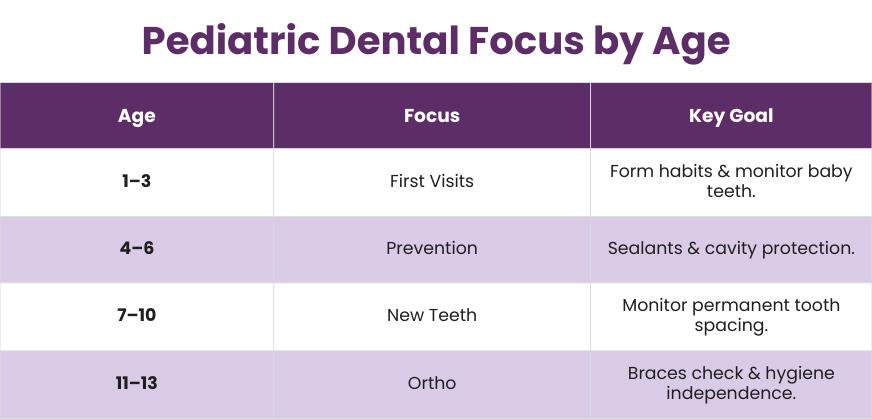
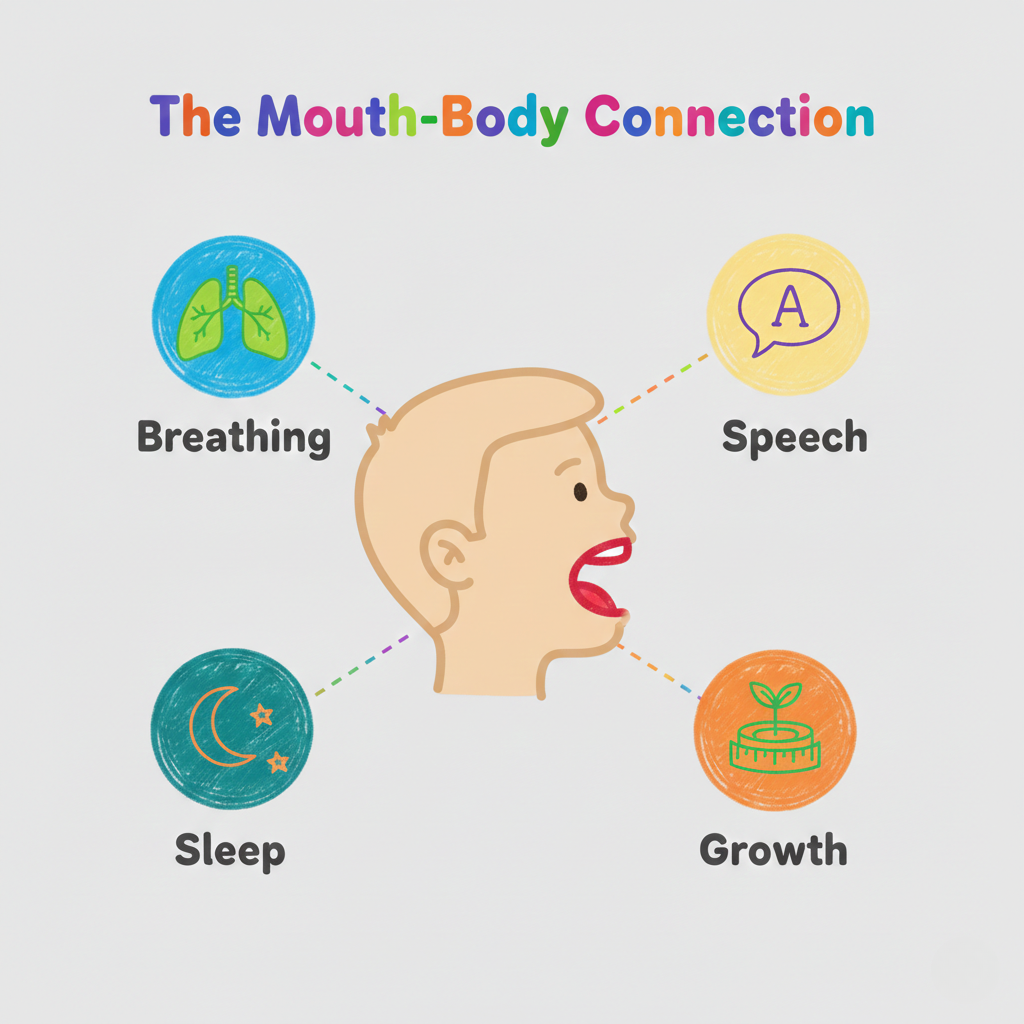
National Children’s Dental Health Month highlights a truth dentists see daily, kids’ teeth change fast, and no one hands you a clear rulebook. Baby teeth erupt on their own timeline, enamel is thinner than adult teeth, and habits like thumb sucking or mouth breathing can quietly influence development. Think of baby teeth like training wheels, temporary but essential for balance, speech, and confidence.
At Tiny Tooth Co, Dr Sarah Arafat often reassures parents that worry means you care, and caring is the most important ingredient. Pediatric dental care is not about perfection, it is about catching small issues early, before they become uncomfortable or expensive. This is why regular visits and gentle education matter so much during childhood.
The Moment Emily Realized It Was Time To Act
That afternoon, Emily noticed Noah chewing only on one side, slower, cautious. Her stomach dropped, not because of pain yet, but because of what might come next. She remembered a friend mentioning National Children’s Dental Health Month at school and finally searched for answers instead of guessing.
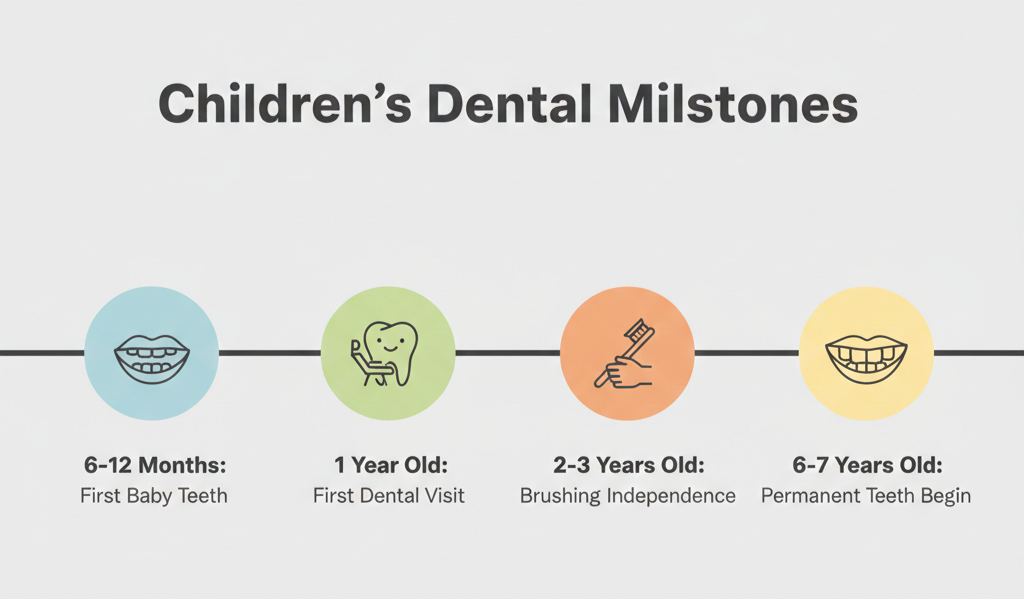
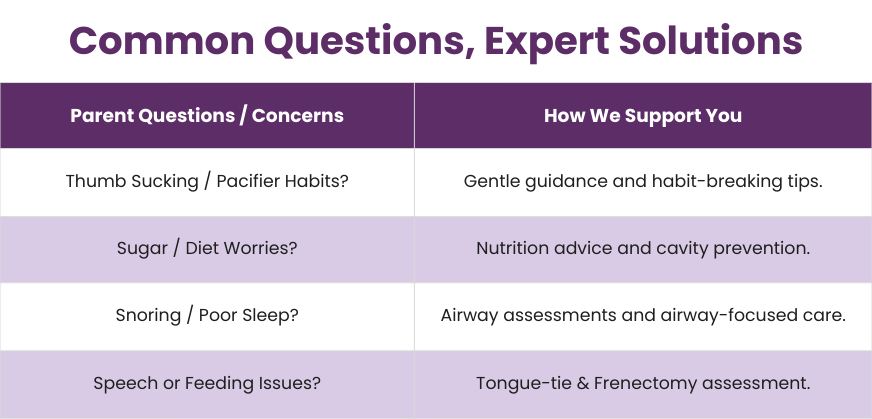
She learned that early dental visits are designed to be preventive, not reactive, like checking the weather before a storm. Pediatric dental exams focus on growth, enamel strength, bite alignment, and habits that affect airway health. This was not about drills or fear, it was about information.
When Emily scheduled Noah’s first visit, she felt relief wash over her. The appointment included a gentle exam, age appropriate X-rays, and guidance tailored to Noah’s habits. No lectures, just clarity. This is why Infant Oral Health Exams are recommended early, even before problems appear, because healthy smiles are built, not rescued.
What Happens During A Kid Friendly Dental Visit
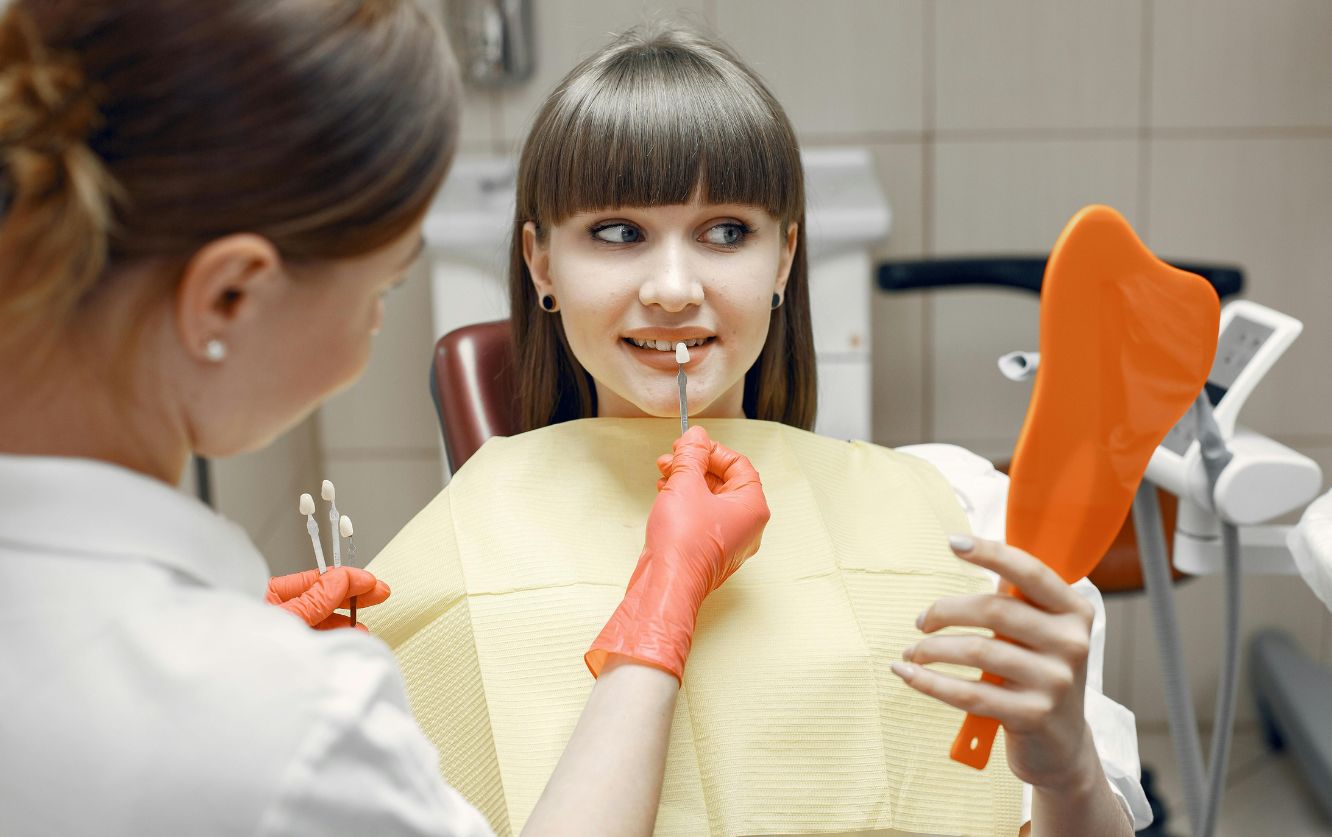
Walking into Tiny Tooth Co, Emily expected nervous energy. Instead, Noah spotted toys and smiled. That surprised her. Pediatric dental visits are designed to feel safe and predictable, not clinical or rushed.
Dr Sarah Arafat explained what she was checking, enamel thickness, gum health, spacing, and airway signs. Emily appreciated the honesty, nothing sugar coated, yet nothing scary. When a small cavity was found, the plan felt manageable, a simple filling now to avoid pain later.
This is where National Children’s Dental Health Month really shines, reminding families that early care saves kids from discomfort and parents from stress. Treatments like Dental Cleanings and fillings are faster and easier when done early, and children learn that the dentist is a helper, not a punishment.

%20(4).png)

.gif)
.webp)
