1. What is airway-focused dentistry?
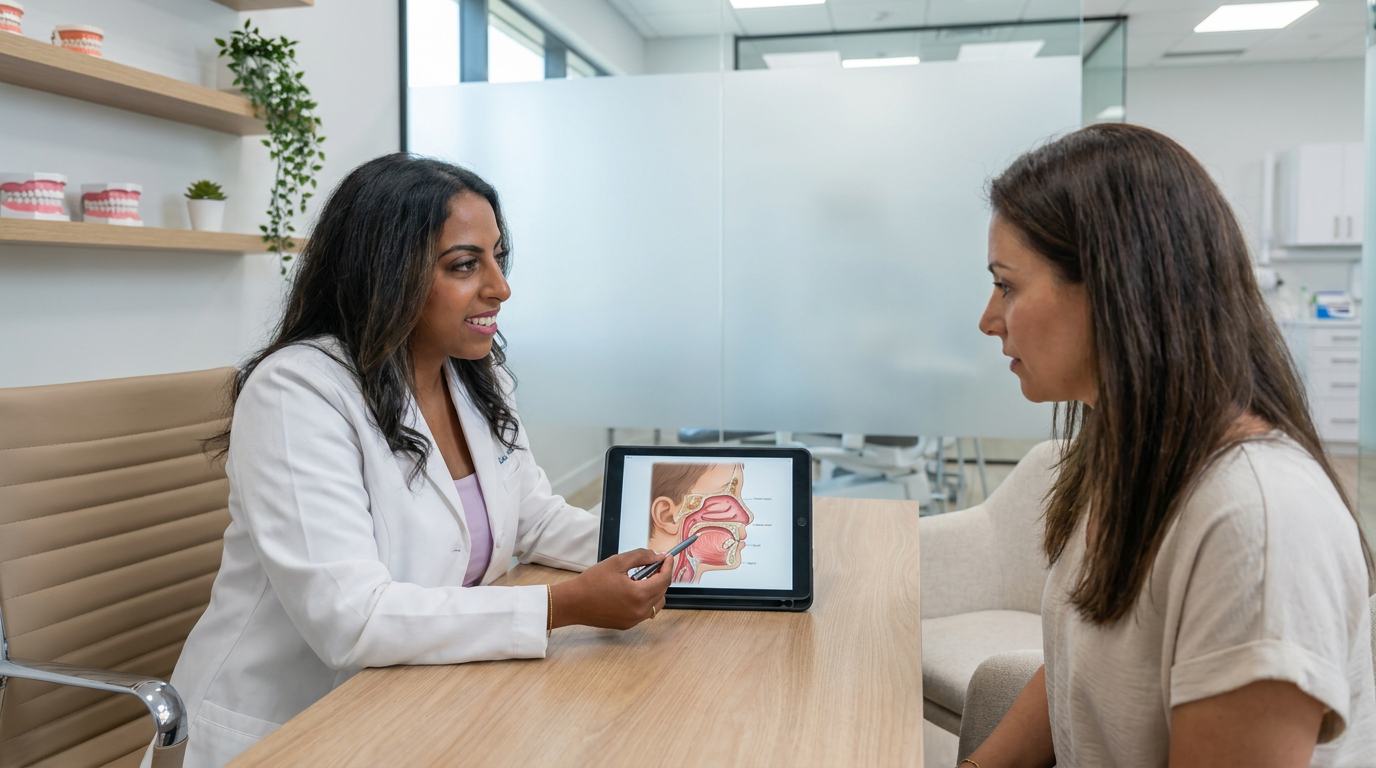
Airway-focused dentistry evaluates how a child’s breathing patterns and oral structures impact their overall health and development. It identifies and treats issues like mouth breathing, snoring, and jaw underdevelopment, aiming for optimal breathing and growth. Dr. Sarah Arafat uses a holistic approach to create comprehensive treatment plans.
2. How does mouth breathing affect children?
Chronic mouth breathing can lead to poor sleep quality, facial development issues (like a narrow palate), orthodontic problems, and behavioral challenges. It bypasses the natural filtering of nasal breathing, potentially impacting a child's overall health and well-being. Dr. Sarah Arafat can assess these concerns.
3. At what age should I consider an airway evaluation for my child?
It’s never too early to consider an airway evaluation, especially if you observe any concerning symptoms. Early intervention, ideally between ages 2 and 8, is often most effective because a child's facial structures are still developing. Dr. Sarah Arafat can provide guidance on the appropriate timing.
4. Can airway issues affect my child's behavior?
Yes, absolutely. Poor sleep quality due to airway obstruction can manifest as daytime fatigue, difficulty concentrating, hyperactivity, or irritability. Addressing the underlying breathing issues often leads to significant improvements in a child’s mood and focus. Dr. Sarah Arafat considers this when evaluating children.
5. Are airway dental treatments painful for children?
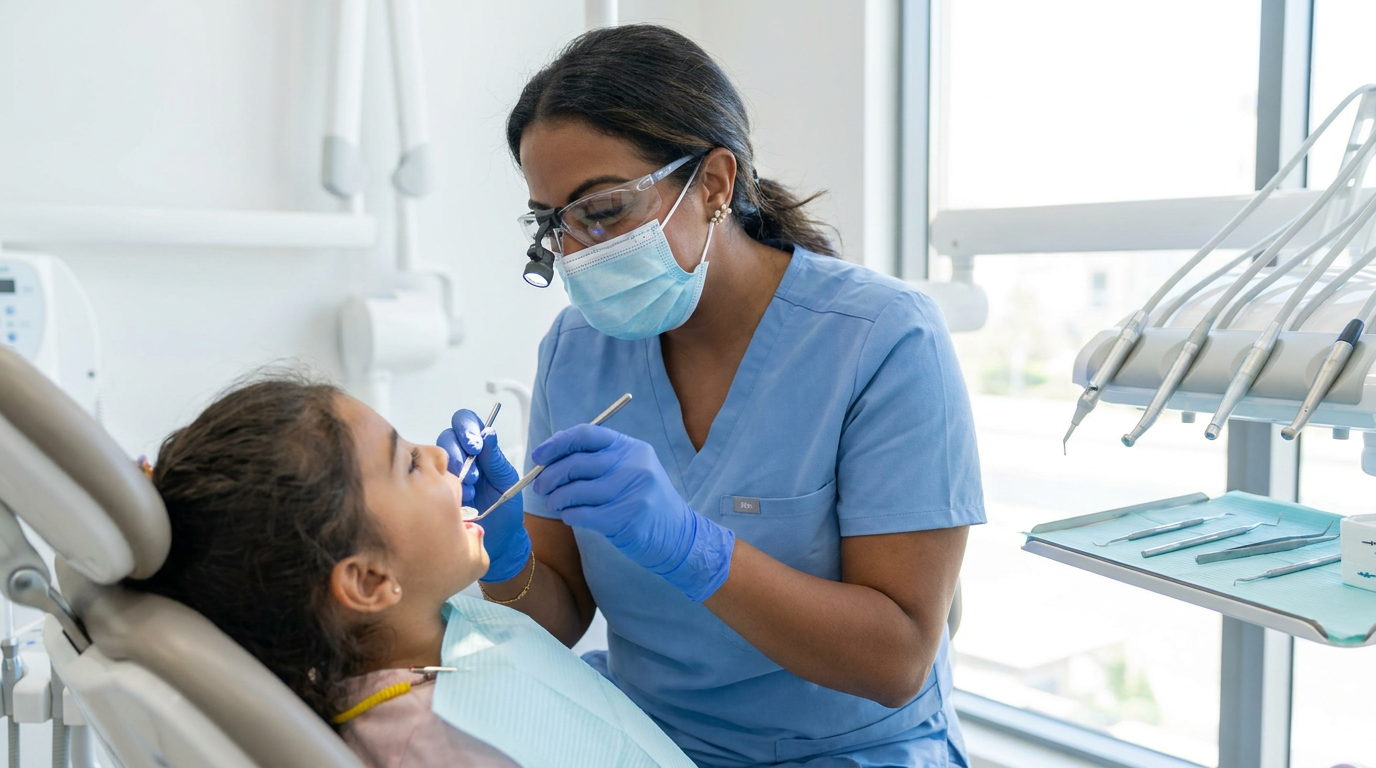
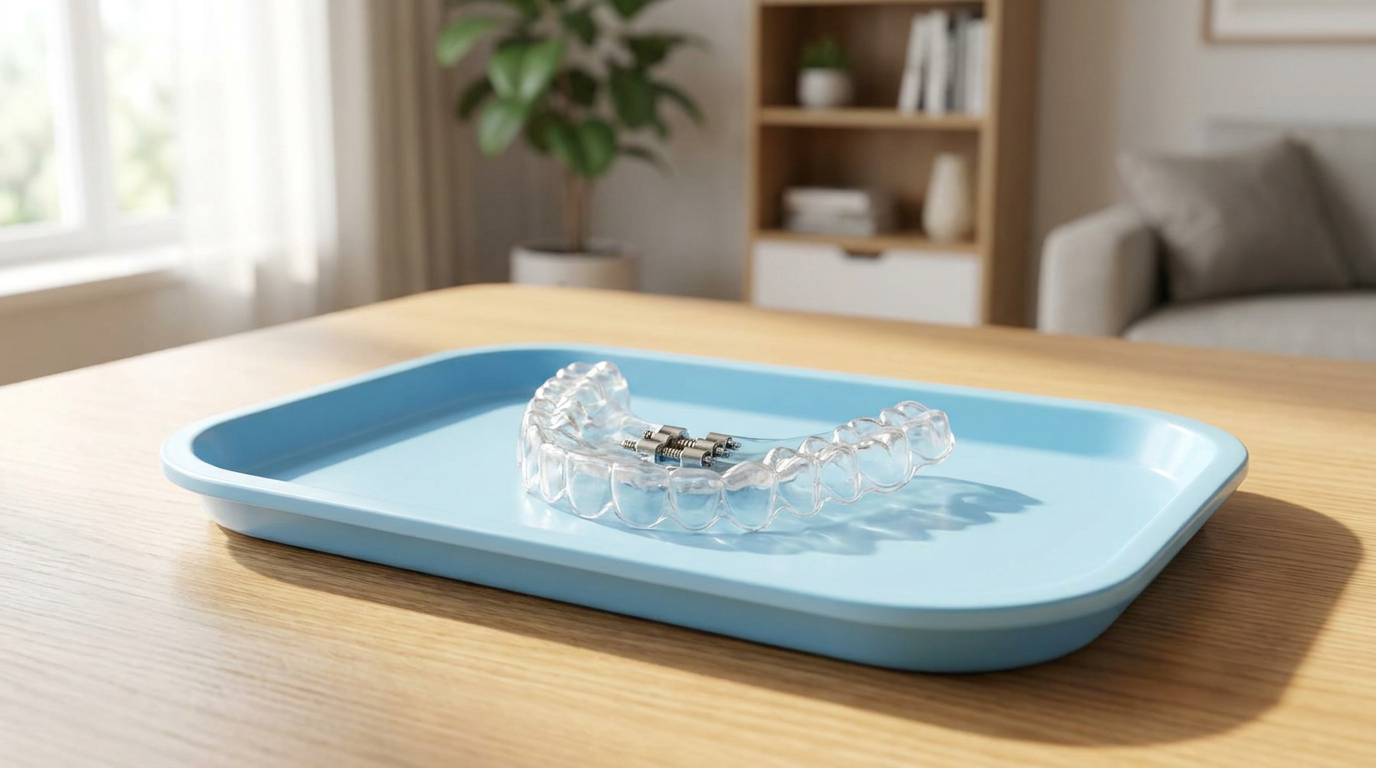
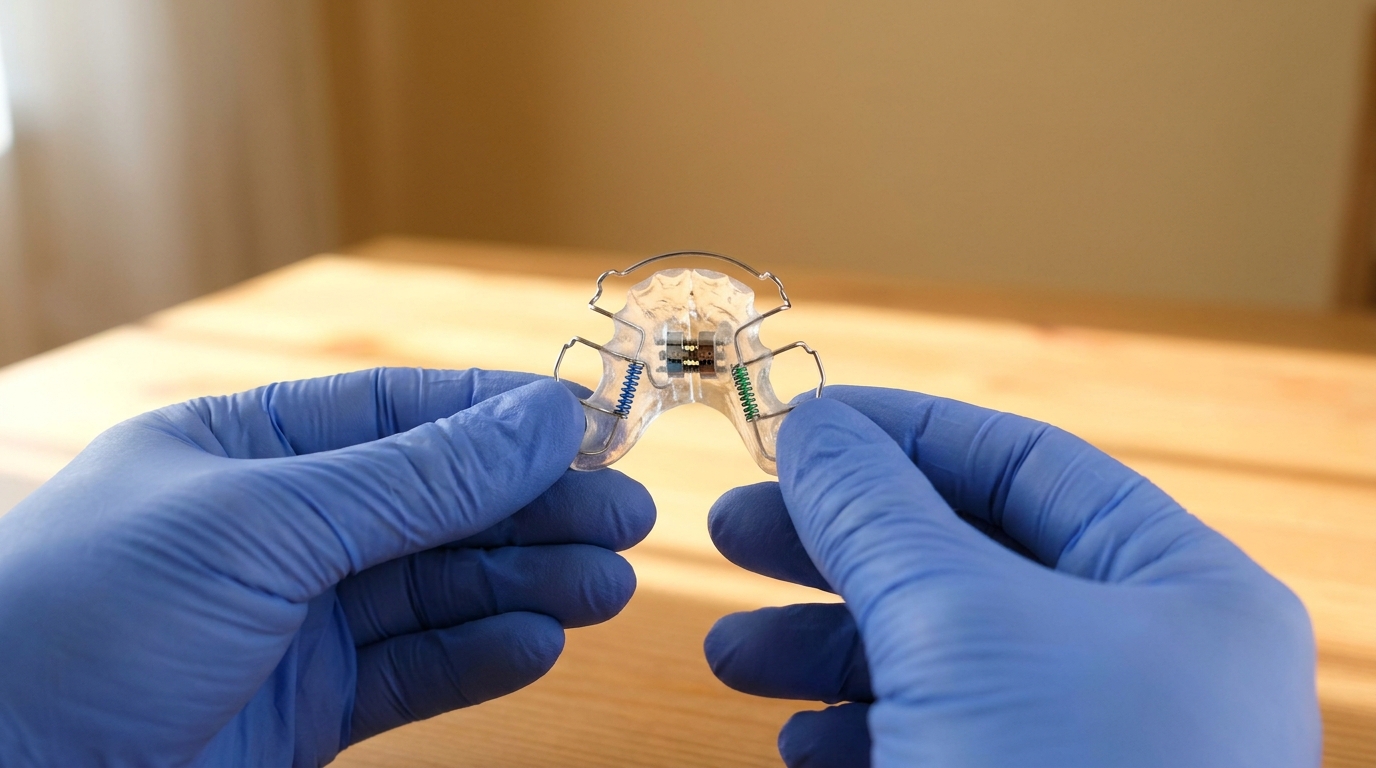
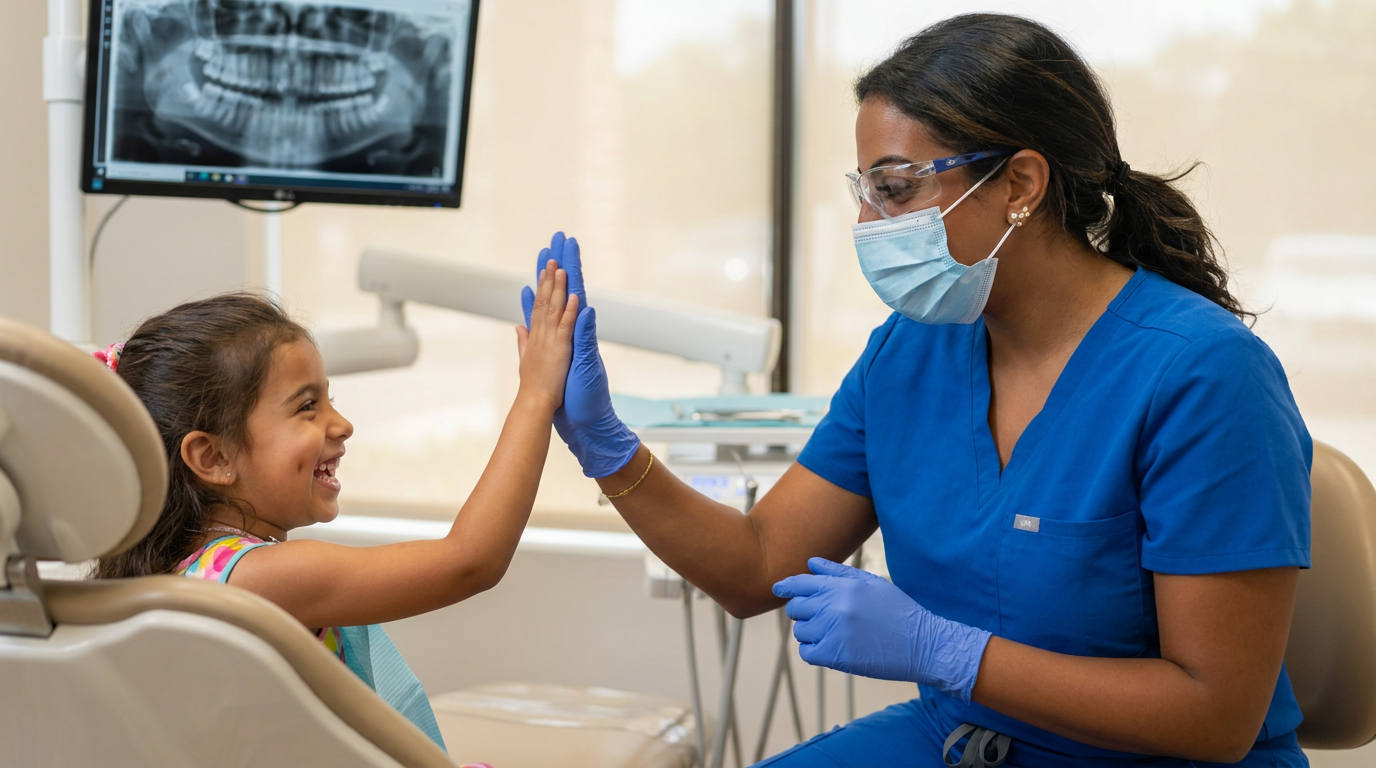
Most airway dental treatments are gentle and non-invasive, designed with children’s comfort in mind. Many involve removable appliances or simple exercises, with discomfort typically minimal and temporary. Dr. Sarah Arafat and her team prioritize a positive experience for every young patient.
6. Will my child need braces if they have airway issues?
While airway issues can contribute to the need for braces, early airway intervention often helps guide proper jaw and facial development, which can reduce the severity or even prevent the need for extensive orthodontic treatment later. Dr. Sarah Arafat aims to create space naturally.

.jpg)





.gif)
.webp)
